Explore the sections
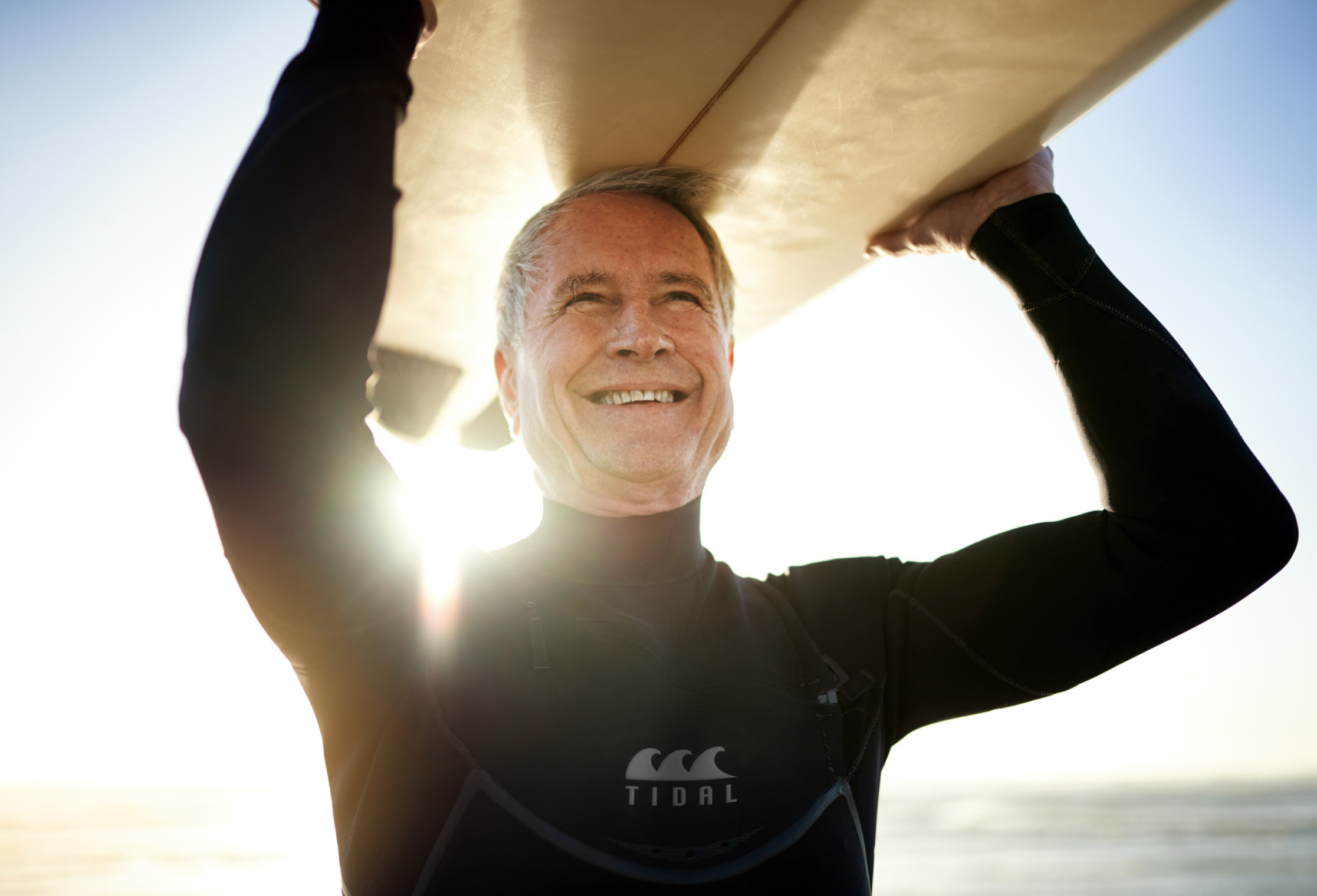
Retirement is often seen as a finish line. After decades of work, projects, challenges and accomplishments, many imagine it as a natural release—a smooth transition into a new stage of life.
For many people, however, the reality is quite different. Retirement is not simply about leaving a job. It is a profound transition that affects identity, daily routines, relationships and one’s sense of contribution. Like any major transition, it requires preparation.
Much More Than a Financial Question
When people think about preparing for retirement, finances are usually the first consideration. Pension plans, RRSPs and investments are all important. However, reducing retirement planning to its financial component means overlooking a large part of the picture.
Retirement requires a complete redefinition of daily life. How will you structure your days when they are no longer shaped by a work schedule? How will you maintain a social network that was largely built around colleagues and professional relationships? How will you continue to feel useful and valued when your professional title no longer defines who you are?
Many people do not ask themselves these questions until retirement has already begun. That is often when the shock occurs.
Professional Grief: An Overlooked Reality
For many professionals, work is a central pillar of their identity. They invest themselves in it for 25, 30 or 35 years. They develop skills, build relationships and find a sense of purpose through their work. When that pillar disappears—even voluntarily—it can leave a significant void.
This experience can resemble a genuine form of professional grief. It may involve confusion, a loss of motivation, feelings of isolation or even symptoms of depression. People who held leadership or management positions, where their role defined a large part of their social identity, may be particularly vulnerable.
Recognizing the emotional and identity-related dimensions of retirement is already a meaningful first step. For organizations, it is also a responsibility toward employees who have contributed to their success for many years.
Six Dimensions to Consider
A fulfilling retirement depends on balance across several areas of life, each of which deserves careful reflection.
Beyond finances, these include:
- Physical and mental health
- Family and social relationships
- A sense of contribution to the community
- Personal projects and interests to explore
- Time management and daily routines
- The redefinition of identity and social roles
Each of these dimensions influences the others. Neglecting one may affect the overall quality of the transition.
The Nouvel Horizon™ program was developed specifically to address this complexity. Rather than approaching retirement in a fragmented way, the program considers the six essential dimensions of the transition and allows participants to assess their level of readiness in each area with the support of a specialized certified coach.
The objective is simple: transform a stage that often feels uncertain into a concrete and structured life project.
A Process That Goes Beyond Reflection
What distinguishes structured support from personal reflection alone is the depth of the process.
With Nouvel Horizon™, the coach does more than ask questions. The coach helps the participant organize their interests and abilities, define the objectives that will shape their retirement and ensure that those objectives align with the redefinition of their social roles and personal identity.
The program also uses recognized assessment tools that provide an objective measure of retirement readiness and offer insight into the participant’s values, interests and abilities.
Combined with a content-rich portal featuring readings, exercises and self-assessments, these tools allow participants to continue their reflection between meetings and become actively involved in their own planning.
Whether offered individually with a dedicated coach or in a small-group format where discussions among participants enrich the experience, the support can be adapted to each person’s needs and pace.
The Organization’s Role: A Meaningful Commitment
Organizations that invest in supporting employees as they transition toward retirement send a powerful message. They demonstrate that the employer-employee relationship does not end abruptly and that each person’s contribution is recognized and valued through the final stage of their career—and beyond.
Offering a retirement planning program gives employees the tools to approach this transition with greater clarity and confidence.
It also has a positive impact throughout the organization. Employees who remain observe how the organization treats those who are leaving. A thoughtful and supportive approach strengthens trust, engagement and a sense of belonging.
Supporting retirement transitions can also contribute to more effective succession planning. When an experienced employee leaves the organization through a planned and supported process, knowledge transfer can take place more smoothly and comprehensively.
Start Early, but It Is Never Too Late
Ideally, reflection about retirement should begin several years before the anticipated departure date. This creates time to explore aspirations, test different possibilities, develop new interests and strengthen a personal network alongside one’s professional life.
However, even when retirement is approaching quickly, structured support can make a meaningful difference.
The goal is not to plan every minute of retirement. It is to establish a framework, create reference points and identify a direction.
Redefining Yourself, Not Withdrawing
The word “retirement” itself suggests withdrawal or stepping back. For many people, however, this stage represents an opportunity to redefine themselves, reconnect with interests that were set aside, contribute to society in new ways and become involved in volunteering, mentoring or personal projects.
The objective is not simply to fill a void. It is to intentionally and authentically build a new chapter.
Doing so requires a process, appropriate support and time to step back and ask the right questions.
Retirement requires preparation. When it is approached thoughtfully, it can become one of the most rewarding chapters of a person’s life.
Related Service
Retirement Planning and TransitionLeduc HR team · Published on